
Mediterranean cuisine has become one of the most popular fast-casual dining options — and for good reason. It’s bold, fresh, customizable, and deeply rooted in centuries of culinary tradition.
But there’s more to its appeal than just flavor. Mediterranean street food strikes the perfect balance between wholesome ingredients and crave-worthy taste. With staples like olive oil, crisp vegetables, legumes, and lean proteins, these dishes deliver a naturally nourishing meal that satisfies without weighing you down.
Part of what makes Mediterranean street food so beloved in places like NYC is its adaptability. Many dishes are vegetarian, vegan, or gluten-friendly by nature—or easily tweaked for any dietary preference—making them approachable for everyone from lifelong meat-eaters to plant-based fans.
And let’s not forget the visual draw: from golden falafel and flame-charred kebabs to vibrant salads and spreads, Mediterranean street food is as photogenic as it is delicious. No wonder it’s all over Instagram and TikTok.
Ultimately, it’s the experience that seals the deal. Mediterranean street food is casual, affordable, and endlessly flavorful—think shawarma, gyros, and falafel wraps you can grab from a cart and eat on the go. These dishes invite you to sample the Mediterranean’s rich culinary heritage, one bite at a time.
But what exactly is Mediterranean street food? And why has it become such a staple in NYC?
Let’s break it down.
What Is Mediterranean Street Food?
Mediterranean street food refers to quick, handheld, or bowl-based dishes traditionally served in countries bordering the Mediterranean Sea — including Greece, Turkey, Lebanon, Israel, and parts of North Africa.
These foods are designed to be:
- Fast and convenient
- Affordable
- Packed with fresh ingredients
- Balanced with herbs, spices, and healthy fats
Street vendors across the Mediterranean have long served pita wraps, grilled meats, falafel, hummus, and vibrant salads to locals on the go. In NYC, that same concept translates perfectly to busy city life.
How Mediterranean Street Food Has Evolved in the U.S.
In America, Mediterranean street food has taken its own journey, starting with the rich traditions brought by immigrant communities and gradually adapting to local tastes and lifestyles. What began as small family-run carts serving classics like shawarma, falafel, and gyros has blossomed into a vibrant part of the mainstream food scene.
Today, you’ll spot Mediterranean-inspired foods everywhere—from classic platters in Astoria’s Greek delis to inventive mashups in trendy Manhattan eateries. Expect to see:
- Gyro or falafel bowls piled high with fresh toppings
- Creative wraps featuring everything from grilled chicken to vegan-friendly fillings
- Health-conscious menus with grain bowls, extra veggies, and lighter sauces
While the heart of the cuisine—bold flavors, fresh herbs, and shareable portions—remains, these dishes have been reimagined for the New York minute. The result: Mediterranean food that’s both true to its roots and open to experimentation, perfectly mirroring the tastes of the city itself. Explore more about the evolution of Mediterranean Cuisine and the Rise of Mediterranean restaurants in the United States.
Meet the Pita Smash Burger: Where Two Street Food Worlds Collide
Step aside, ordinary burgers—there’s a new kid on the block making waves from Queens to the West Village. Enter the pita smash burger, a delightful collision of American and Mediterranean street food traditions. Imagine the classic sizzle and crispy edges of a smash burger, but with a twist: instead of a standard bun, everything gets cozied up inside a warm, pillowy pita.
You’ll find juicy beef patties—often mixed with punchy Mediterranean spices like cumin, coriander, and sumac—topped with an international medley such as:
- Crumbled tangy feta
- Spicy harissa mayo
- Pickled onions
- Za’atar-dusted veggies
The result is a handheld creation that feels at home at both a bustling Greek diner and a late-night burger joint. The pita smash burger doesn’t just borrow flavors; it embodies the inventive NYC spirit, blending comfort food with bold, shareable Mediterranean flair. The best part? It’s exactly the kind of dish you’d find on a food truck parked outside a concert in Brooklyn or tucked into the menu at a Tel Aviv-inspired eatery.
Whether you’re a burger loyalist or always on the hunt for a new global mashup, the pita smash burger is a testament to how delicious things can happen when street food traditions meet and mingle—no passport required.
The Core Ingredients That Define Mediterranean Street Food
What makes Mediterranean street food distinct isn’t just the dishes — it’s the foundation of ingredients.
You’ll commonly find:
- Fresh pita bread
- Olive oil
- Garlic and lemon
- Tahini
- Yogurt-based sauces
- Chickpeas
- Fresh cucumbers and tomatoes
- Parsley and herbs
- Slow-roasted meats
The cuisine emphasizes balance — protein, vegetables, grains, and flavorful sauces all working together.
Pita with Hummus: A Mediterranean Classic
Across the Mediterranean, pita with hummus is more than just a favorite snack—it’s a way of life. Traditionally, you’ll see fluffy rounds of pita served warm alongside generous bowls of hummus, ready to tear and scoop. Whether at a bustling street cart in Tel Aviv or a casual café in Athens, the presentation is both inviting and fuss-free.
Toppings vary by region and season, but some common ways you’ll find hummus dressed include:
- A drizzle of robust olive oil
- Sprinkles of paprika, sumac, or za’atar
- Fresh parsley or cilantro
- Whole chickpeas or toasted pine nuts for texture
This beloved duo is enjoyed as a starter, quick street snack, or even as the base for more substantial bites topped with roasted vegetables or spiced meats. Simple, satisfying, and endlessly adaptable, pita with hummus reflects the spirit of Mediterranean hospitality—always fresh, always shared.
Most Popular Mediterranean Street Foods in NYC
Here are the dishes New Yorkers search for most — and why they’ve become favorites.
1. Shawarma
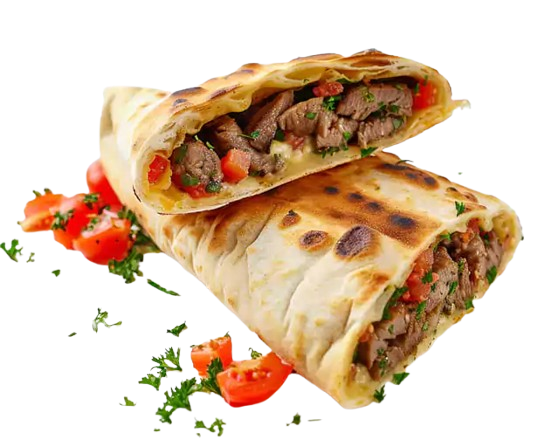
Shawarma is thinly sliced, marinated meat cooked on a vertical rotisserie. It’s typically served in a wrap or bowl with vegetables and sauce.
What makes shawarma stand out in NYC’s food scene is its rich, bold marinade—think cardamom, cinnamon, turmeric, cumin, and cloves—infusing each bite with deep flavor. The meat (often chicken, beef, or lamb) bastes as it cooks, developing a crispy exterior and juicy interior.
Classic toppings include garlic sauce, tahini, pickled vegetables, and fresh herbs, making for a perfect harmony of spice, freshness, and creamy richness. Whether you grab one from a food cart in Midtown or a deli in Astoria, the shawarma experience is always satisfying.
If you’re exploring bold, seasoned meats layered with garlic sauce and fresh toppings, check out our guide to Shawarma in NYC.
It’s filling, flavorful, and perfect for lunch or dinner.
2. Falafel
Falafel is a deep-fried ball or patty made from ground chickpeas and herbs. Crispy outside, soft inside.
It’s one of the most searched vegetarian street foods in NYC. Learn more about why locals love the Best Falafel in NYC and how it’s prepared fresh daily.
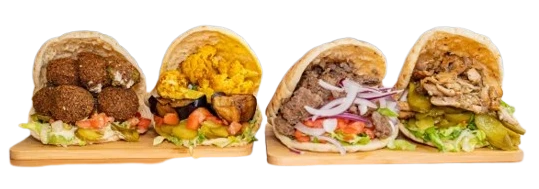
Falafel is:
- Vegetarian
- Often vegan
- High in plant protein
- Perfect in wraps or bowls
What makes falafel a street food icon?
Originally from Egypt, falafel has become a staple across the Mediterranean and Middle East, celebrated for its bold flavors and satisfying texture. The mixture of chickpeas (or sometimes fava beans), garlic, onion, parsley, and warm spices creates a punchy, herbaceous bite. Traditionally, falafel is tucked into warm pita alongside creamy tahini, crunchy pickled vegetables, and fresh herbs—delivering that classic mix of crispy, tangy, and fresh in every mouthful.
- Origin: Egypt, now loved throughout the Mediterranean
- Main ingredients: Chickpeas or fava beans, herbs, garlic, spices
- Commonly served: In pita with tahini, pickles, and herbs
- Dietary bonus: Naturally vegetarian and packed with plant-based protein
Whether you grab falafel from a food cart in Midtown or a neighborhood spot in Astoria, it’s a must-try for vegetarians, vegans, or anyone craving a hearty bite bursting with flavor.
3. Pita Wraps
The pita wrap is the ultimate Mediterranean street food format.
Warm, soft pita filled with:
- Protein (shawarma, falafel, grilled chicken, gyro, or souvlaki)
- Fresh chopped salads
- Pickled vegetables
- Creamy sauces
These wraps are endlessly customizable—think grilled souvlaki skewers, spiced gyro slices, or even a fusion pita smash burger tucked into that pillowy bread. In NYC, you’ll find pita wraps stuffed with everything from classic shawarma and falafel to inventive options like spiced lamb kofta or roasted veggies.
See our full guide to Pita Wraps in NYC for flavor combinations and customization options.
4. Mediterranean Bowls
Bowls have become increasingly popular in NYC because they offer a fork-friendly option.
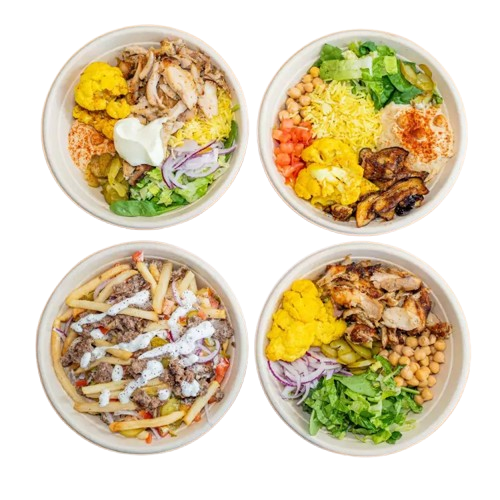
They typically include:
- Rice or grains (like farro, quinoa, or bulgur)
- Protein (grilled chicken, falafel, salmon, or lamb)
- Fresh vegetables (greens, roasted veggies, pickled additions)
- Hummus or baba ganouj
- Signature sauces (tzatziki, tahini, zhoug)
Think of these as the Mediterranean answer to grain bowls—layered, nutritious, and packed with flavor. They’re customizable, satisfying, and easy to tailor to dietary preferences. A Mediterranean bowl is perfect for anyone looking for a balanced, filling meal on the go.
If you’re looking for fresh bowl combinations and authentic flavors, explore Mediterranean Food in NYC to see what makes the experience stand out. Discover how to make the perfect bowl.
Other Street Food Favorites Found Around NYC
While shawarma, falafel, pita wraps, and bowls are perennial favorites, NYC’s Mediterranean food vendors also serve up regional classics like:
- Gyro: Greek-style seasoned meat (often pork, lamb, or chicken) cooked on a vertical spit, stuffed into pita with tomatoes, onions, and creamy tzatziki.
- Souvlaki: Skewered, grilled cubes of pork, chicken, or lamb, marinated with olive oil, lemon, and oregano, served on sticks or wrapped in pita.
- Kebabs: From Turkish shish kebabs to Lebanese kofta and Moroccan-spiced versions, these grilled meats are all about smoky flavor and bold spices.
- Spanakopita & Borek: Flaky pastries—Greek spanakopita filled with spinach and feta, or Turkish-style borek with cheese or spiced meat—make for satisfying handheld snacks.
- Pita with Hummus: Soft pita served with creamy, garlicky hummus, sometimes topped with herbs, pine nuts, or sumac.
- Pita Smash Burger: A NYC street food mashup—juicy, seasoned beef patty tucked inside pita, topped with Mediterranean fixings.
What is Borek—and How Does It Vary?
Borek is one of those irresistible street snacks you’ll spot from Istanbul to Sarajevo and even down into North Africa—always tempting, always flaky. At its core, borek is a savory pastry made from ultra-thin dough (like phyllo or yufka), layered and filled, then baked or fried until golden brown.
What goes inside? That depends on where you’re grabbing yours. Common fillings include:
- Creamy cheeses such as feta or kasseri
- Herb-spiked spinach
- Spiced minced meat with onions
- Even potatoes for a heartier bite
You’ll notice the name shifts as you travel. In Turkey, it’s börek, while in the Balkans, look for burek. North African stalls offer brik, which often adds a new twist—sometimes even a runny egg tucked inside. Different regions bring their own spin, from the herbs used to the way the pastry is folded or rolled.
Whether it’s a breakfast staple, a midday snack, or something warm from a street cart, borek’s crispy shell and comforting fillings have made it a Mediterranean favorite that’s always ready for the next hungry wanderer.
5. Spanakopita
Spanakopita is a beloved Greek street food that strikes a perfect balance between flaky and savory. At its core, it’s a pastry made from layers of delicate phyllo dough filled with a mix of spinach, feta cheese, fresh herbs like dill and green onion, and just enough egg to hold it all together.
You’ll usually find spanakopita sold as individual, golden-brown triangles—easy to grab on the go and bursting with flavor. While you might spot larger versions cut into squares in bakeries or delis, these hand-held pockets are the true hero of Greek street snacking.
What makes spanakopita so popular? It’s simple: crisp, buttery pastry meets a bright, tangy, herb-packed filling. Sometimes you’ll come across regional twists—like different greens or cheeses—but no matter the variation, spanakopita is always satisfyingly rich yet feels light enough for a snack any time of day.
What’s the Difference Between Shawarma, Gyro, and Döner Kebab?
While Shawarma, Gyro, and Döner kebab may look like cousins turning on the same vertical spit, each brings its own cultural flair to the table.
- Shawarma is a Middle Eastern classic, known for its deeply spiced, marinated meats (think cardamom, cumin, and turmeric) and its love of garlic sauce or tahini. It’s usually wrapped up with crunchy veggies.
- Gyro hails from Greece and features a blend of savory Mediterranean herbs—like oregano and rosemary—served with creamy tzatziki and often stuffed into pillowy pita alongside tomatoes and onions.
- Döner kebab, the pride of Turkey, features milder seasonings (paprika, sumac, coriander) and is often served in a flatbread pocket or on a plate, sometimes finished with a drizzle of garlicky yogurt sauce.
What Makes Each One Unique? It’s All in the Spices
A big part of what sets these street food icons apart is their signature blend of spices and herbs. Mediterranean street food commonly draws on za’atar (a fragrant mix of thyme, sesame, and sumac), tangy sumac, earthy cumin, coriander, smoky paprika, and herb blends that reflect each country’s roots. Shawarma packs bold, warm spices and sometimes a hint of cinnamon, while gyro leans into herbal brightness, and döner kebab often features a lighter touch with a lemony twist from sumac.
So, next time you’re eyeing that spinning tower of deliciousness, you’ll know which flavor passport you’re stamping.
Kebabs: A World of Skewered Flavor
Beyond the world of vertical rotisserie, kebabs represent a broad and beloved family of skewered and grilled meats across the Mediterranean and Middle East, each shaped by regional spices, traditions, and techniques.
Popular varieties include:
- Shish kebab: Marinated cubes of meat—often lamb or beef—grilled on skewers for that perfect char.
- Kofta kebab: Spiced ground meat (usually beef or lamb) shaped around skewers, juicy and full of flavor.
- Adana kebab: A spicy minced lamb specialty from southern Turkey, packing a real punch for heat seekers.
Regional flavor profiles:
- Turkish kebabs are all about sumac, pepper flakes, and yogurt-based marinades for tangy, smoky depth.
- Lebanese versions often lean into warm seven-spice blends for an aromatic kick.
- Moroccan kebabs feature cumin, coriander, paprika, and even preserved lemon, creating layers of bold, zesty flavor.
Kebabs are typically served with fluffy flatbreads, rice, or bulgur, and are never far from a side of fresh herbs, pickles, and signature sauces. No matter the variety, each bite delivers smoky, juicy, deeply satisfying flavor—a street food staple that’s earned its place at the top of the Mediterranean food pyramid.
Souvlaki: The Greek Take on Skewered Perfection
No Mediterranean street food spread is complete without a nod to souvlaki, Greece’s beloved answer to the kebab. Souvlaki starts with skewered chunks of meat—most often pork, but chicken or lamb also show up regularly. What sets it apart? The marinade. With a splash of lemon juice, a glug of olive oil, plenty of oregano, and a hint of garlic, souvlaki is all about bright, bold, and herby flavors. The meat is then grilled over open flames, delivering charred edges, smoky depth, and pure savory goodness.
Unlike its cousins, shawarma, gyro, and döner kebab, souvlaki skips the heavy spice blends in favor of letting fresh ingredients shine. There’s no mystery mix here—just quality meat, vibrant herbs, and citrus working together.
How do people eat it? There’s no wrong way. Grab a skewer right off the grill, tuck the pieces into a warm pita with a dollop of tangy tzatziki and crisp veggies, or go classic with a plate of roasted potatoes and salad on the side. However you order it, souvlaki is the Mediterranean street food that keeps things refreshingly simple—one more reason why it’s a staple in New York’s bustling food scene.
How to Spot Authentic Mediterranean Roots
So, how can you tell if a Mediterranean restaurant truly celebrates its roots? One of the most telling signs is who’s dining there. When you see locals from Mediterranean backgrounds filling the tables—chatting over shared plates and maybe even debating the hummus—it’s a strong indicator that the kitchen respects time-honored recipes and classic techniques. Their presence speaks volumes about the authenticity of the ingredients, spices, and flavors on offer, assuring you that what’s on your plate is made with the same care you’d find back in Athens, Marrakech, or Beirut.
But don’t stop there—take a peek behind the counter. Authentic Mediterranean street food is as much about how it’s cooked as what is cooked. Look for:
- Vertical rotisseries spinning shawarma or gyros, their sizzling aromas drawing you in from the sidewalk.
- Wood-fired or clay ovens crisping up fresh flatbreads to pillowy perfection.
- Charcoal grills lending kebabs their signature smoky char.
These traditional methods aren’t just for show—they’re essential for capturing the bold flavors and irresistible textures that define the region’s street food. If you find all of these details—plus a crowd that knows the cuisine by heart—there’s a good chance you’ve stumbled onto the real deal.
But spotting the real deal goes beyond who’s at the table. Look for family-owned establishments, often run by Greek, Lebanese, Turkish, Egyptian, or Moroccan families, where recipes are passed down through generations. These spots tend to cling lovingly to tradition, both in ingredients and in preparation.
Pay attention to the cooking methods, too—they’re the heartbeat of Mediterranean street food. Vertical rotisseries spinning shawarma or gyros, wood-fired or clay ovens baking fresh flatbreads, and charcoal grills sizzling with kebabs aren’t just for show. These methods create the signature flavors and textures that define true Mediterranean eats.
For an extra adventure, check out cultural festivals or Mediterranean food markets around NYC. From Greek street fairs in Astoria to Middle Eastern celebrations in Bay Ridge, these events let you watch authentic dishes being crafted on-site, providing a taste of both the food and the vibrant community behind it.
In short, authenticity is a blend of shared heritage, traditional techniques, and a crowd that knows what home should taste like.
Beyond the Restaurant: Where to Find True Mediterranean Street Food
If you’re hoping to taste Mediterranean street food in its most festive and authentic form, keep an eye out for local cultural events and food fairs popping up around NYC. Think summer Greek festivals in Astoria, pop-up souk markets on the Lower East Side, or Middle Eastern celebrations scattered throughout the city’s diverse neighborhoods.
At these lively gatherings, families and chefs often prepare specialties just like they would back home—kneading dough for fresh pita, turning skewers over open flames, or ladling warm stews straight from steaming pots. It’s a unique chance to sample regional dishes, watch traditional cooking in action, and chat with people who grew up eating these foods.
Whether you’re sipping Turkish coffee, grabbing a warm slab of baklava, or picking up freshly grilled kebabs, you’ll find both the flavors and the community spirit that make Mediterranean street food so beloved—no passport required.
Why Mediterranean Street Food Works So Well in NYC
New Yorkers want food that is:
- Fast
- Fresh
- Flavorful
- Affordable
- Customizable
Mediterranean cuisine checks every box.
It fits busy workdays in Chelsea, late-night cravings, and healthy lunch breaks. It appeals to meat lovers and vegetarians alike.
It’s also incredibly shareable — visually colorful, sauce-drizzled, and perfect for social media.
Is Mediterranean Street Food Healthy?
Compared to many fast-food options, Mediterranean street food is generally considered a balanced choice.
Common benefits include:
- Lean proteins
- Plant-based options
- Healthy fats from olive oil
- Fresh vegetables
- Fiber-rich chickpeas
Portion control and sauce selection still matter, but overall, it’s one of the more nutrient-forward fast-casual cuisines available in NYC.
If you prefer plant-based meals, you can also explore Vegetarian Mediterranean Food in NYC for meat-free options that are just as flavorful.
Mediterranean Street Food and Culture
Mediterranean street food isn’t just about convenience — it reflects hospitality, community, and tradition.
Many recipes have been passed down through generations. The use of spices, marinades, and preparation methods is deeply cultural.
In NYC, these traditions blend together, creating a vibrant food scene that brings global flavors to one city.
Where to Find Mediterranean Street Food in Manhattan
If you’re searching for authentic Mediterranean street food in NYC, location matters.
Look for places that:
- Prepare falafel fresh daily
- Slice shawarma directly from the spit
- Use real tahini and garlic sauce
- Offer customization
- Maintain high ingredient quality
To see a full overview of menu options and specialties, visit Mediterranean Food in NYC.
Why Locals Choose Zazu for Mediterranean Street Food
At Zazu, Mediterranean street food is made with:
- Fresh daily ingredients
- Traditional spice blends
- House-made sauces
- Customizable wraps and bowls
- Vegetarian and meat options
Located in Chelsea, Zazu brings the speed of street food together with authentic flavor and consistency. Located at 232 7th Ave [at 24th St], New York City, it is within walking distance of anywhere in Chelsea, Midtown South, and the Flatiron District. It can also be reached by subway. The 1 train runs along 7th Ave, and the A, C, and E along 8th Ave, with the F and M along 6th Ave.
Whether you’re grabbing a quick lunch or ordering dinner, Mediterranean street food should be satisfying, vibrant, and crave-worthy.
Check out our TikTok Channel
Frequently Asked Questions
What is Mediterranean street food?
Mediterranean street food includes quick, handheld or bowl-based dishes like shawarma, falafel, pita wraps, and hummus made with fresh vegetables, herbs, and traditional spices.
Is Mediterranean street food healthy?
It can be a balanced option because it includes lean proteins, vegetables, legumes, and healthy fats like olive oil.
What is the most popular Mediterranean street food in NYC?
Shawarma and falafel are among the most popular Mediterranean street foods in NYC.
Is falafel vegetarian?
Yes. Falafel is made from ground chickpeas and herbs and is vegetarian — and often vegan.
Where can I get Mediterranean street food in Manhattan?
You can find Mediterranean street food throughout Manhattan, especially in neighborhoods like Chelsea, where fresh wraps and bowls are served daily.
Enjoying Mediterranean street food at home—without spending hours in the kitchen—is more accessible than ever. Many local markets and specialty grocers throughout Manhattan offer ready-to-eat options like shawarma wraps, falafel patties, and mezze spreads that you can pick up for a quick meal.
If you prefer to call ahead for takeout or delivery, plenty of Mediterranean spots in Chelsea and beyond provide fresh, chef-prepared wraps, bowls, and salads straight to your door. These meals are often made with traditional spices and classic ingredients, so you can savor authentic flavors without any cooking or complicated prep.
Alternatively, you can stock up on essentials such as pita bread, hummus, marinated olives, and pre-cooked proteins like grilled chicken or lamb from trusted brands like Sabra, Kronos, or Cedar’s. Just assemble, heat if needed, and you’re set—Mediterranean street food made easy at home.