
Introduction to Mediterranean Cuisine
Mediterranean cuisine has taken America by storm, with Mediterranean restaurants spanning the bustling streets of New York City and the cozy cafes of Los Angeles. What was once a niche food trend has become a global phenomenon, captivating taste buds and winning over hearts with its bold flavors and vibrant ingredients. Join us as we explore how this humble cuisine rose to fame in the land of fast food and frozen dinners, transforming American palates one delicious dish at a time. Prepare to embark on a culinary adventure that will leave you craving more!
The Mediterranean diet has gained immense popularity in recent years, not just for its health benefits but also for its rich, diverse flavors. But what exactly is Mediterranean cuisine? This section will examine the origins, key characteristics, and ingredients of this beloved culinary tradition.
The Meaning Behind “Mediterranean”
Ever wondered where the word “Mediterranean” comes from? Its roots trace back to Latin—specifically, “Mar Medi Terraneum,” which translates to “sea in the middle of the land.” It’s a fitting name, considering the Mediterranean Sea is almost surrounded by Europe, Africa, and Asia, serving as the heart of the ancient world and a crossroads of flavors, cultures, and traditions.

Origins of Mediterranean Cuisine:
Mediterranean cuisine originated in the countries surrounding the Mediterranean Sea, namely Greece, Italy, Spain, Morocco, Turkey, and Egypt. These countries’ shared history and geography have significantly influenced their traditional cuisines. Over time, the region’s cuisine has evolved under the influence of other cultures through trade routes and conquests.
Historical Significance of the Mediterranean Basin
The Mediterranean basin isn’t just a hotbed for sun-drenched coastlines and mouthwatering fare—it’s also where much of Western civilization truly found its footing. Picture the region as a crossroads, buzzing with activity since ancient times: Egyptians building monumental pyramids, Phoenician traders navigating by the stars, and Greek philosophers exchanging ideas in bustling city-states. With contributions from cultures like Israel and the mighty Roman Empire, the basin became a vibrant melting pot of commerce, innovation, and exchange.
As history unfolded, the Mediterranean continued to shape the world’s destiny. Even during eras of conflict—think the rise of Islam or the shifting borders of medieval kingdoms—the sea served as a thoroughfare for goods, philosophies, and flavors. Despite religious and political divisions, trade routes persisted, ensuring that knowledge, spices, and culinary inspirations flowed freely between continents. This constant interchange helped lay the foundation for art, science, and cuisine as we know them today.
Key Characteristics:
One of the defining features of Mediterranean cuisine is its emphasis on fresh and locally sourced ingredients. Fresh produce, such as vegetables, fruits, legumes, grains, and nuts, is a staple in most dishes. Fish and seafood are also commonly found due to the region’s proximity to the sea.
Olive oil is another essential component of the diet for cooking and dressing salads. Herbs and spices such as oregano, thyme, and parsley add depth and flavor to dishes without relying on heavy sauces or creams.
Ingredients Used:
The varied terrain of the Mediterranean region allows for a diverse range of ingredients to be used in its cuisine. Some common ingredients include olives (and olive oil), tomatoes (a staple in Italian cuisine), chickpeas (used extensively in Middle Eastern dishes), citrus fruits (commonly found in Greek recipes), and eggplant (a popular ingredient in Turkish cooking), among many others.
Wheat and Grapes: The Unsung Heroes
While olive oil often takes center stage, wheat and grapes play equally crucial supporting roles in the Mediterranean diet. Wheat is the backbone of everyday staples—think rustic loaves of crusty bread, airy pita rounds, and golden plates of pasta twirled with fresh herbs or vegetables. Whether enjoyed as a simple accompaniment or transformed into regional specialties such as couscous or focaccia, wheat connects the many cuisines bordering the sea.
Grapes, on the other hand, lend their versatility to both food and drink. Beyond being enjoyed fresh, they’re pressed into world-famous wines—from Chianti in Italy to robust reds of southern France—and transformed into raisins, must, and even vine leaves for dishes like dolmas. These ingredients aren’t just delicious; they represent centuries-old traditions woven into daily life across the region.
Meats like lamb are also widely consumed throughout this region due to their availability. However, they are often used more sparingly than vegetables or legumes.
The Impact of Mediterranean Cuisine in America
Mediterranean cuisine has become increasingly popular all over America, with restaurants offering various interpretations of traditional dishes from the region. Using fresh and healthy ingredients has contributed to its appeal among health-conscious Americans.
Restaurants have also adapted traditional dishes to cater to American tastes, such as adding hummus variations or incorporating Greek yogurt into desserts. This fusion of cultures has led to the rise of Mediterranean-inspired dishes in America, making America’s culinary landscape more diverse and flavorful.
Conclusion:
Mediterranean cuisine is a rich and diverse tradition that encompasses the flavors and ingredients from countries surrounding the Mediterranean Sea. Its emphasis on fresh, healthy ingredients and simple cooking techniques has made it popular among those seeking a balanced, flavorful diet. As we continue our journey through the history and evolution of Mediterranean cuisine in America, we will delve deeper into its various influences and how it has become an integral part of American dining culture.
History of Mediterranean Cuisine in the United States
The history of Mediterranean cuisine in the United States is a fascinating journey spanning centuries and encompassing diverse cultural influences. “Mediterranean cuisine” refers to the food and cooking styles of countries bordering the Mediterranean Sea, such as Greece, Italy, Spain, Morocco, and Turkey. As these countries have a long history of trade and cultural exchange, their cuisines have evolved to share many similarities while retaining unique regional flavors.
The earliest traces of Mediterranean cuisine in America date to the arrival of European settlers in the 16th century. These early immigrants brought traditional recipes and cooking techniques heavily influenced by ingredients from their home countries, such as olive oil, wine, herbs, and spices. However, it wasn’t until the late 19th century that Mediterranean cuisine began to gain popularity among Americans.
In particular, Greek immigrants played a significant role in introducing Mediterranean flavors to American palates. They established restaurants serving traditional dishes like gyros and souvlaki in cities like New York and Chicago. These establishments quickly became popular among immigrant communities seeking a taste of home and among curious Americans eager to try new foods.
Over time, Italian immigrants also made their mark on American food culture, with dishes like pizza and pasta becoming staples across the country. With mass immigration from Italy in the late 19th and early 20th centuries, Italian cuisine began to permeate American society even further.
Lebanese immigrants also played a crucial role in shaping Americans’ palate for Mediterranean food. With them came popular dishes such as falafel (fried chickpea balls), hummus (chickpea dip), and shawarma (spit-roasted meat). These flavorful dishes quickly gained popularity among Americans seeking healthier, more diverse options.
However, it wasn’t until after World War II that Mediterranean cuisine began taking off in America. Soldiers returning from Europe brought back a newfound appreciation for dishes like paella from Spain or couscous from North Africa. This sparked interest among Americans in more exotic flavors beyond traditional Western cuisines.
Influential figures like Julia Child also played a crucial role in introducing Mediterranean cooking techniques to mainstream America through her popular French cooking show “The French Chef.” She featured dishes such as ratatouille and bouillabaisse, both heavily influenced by Mediterranean flavors.
Today, Mediterranean cuisine has become a staple in American households, with many restaurants serving dishes from various countries around the Mediterranean Sea. It is also known for its health benefits, with many Americans incorporating ingredients like olive oil and fresh vegetables into their diets.
Mediterranean cuisine’s journey in America has been a cultural exchange and adaptation. From humble beginnings to global appeal, this flavorful and healthy cuisine continues to evolve and captivate palates across the United States.
Early Influences
- Emergence of Greek and Italian Restaurants
The emergence of Greek and Italian restaurants in America can be traced back to the early 20th century, when large waves of Greek and Italian immigrants began arriving in the United States. These immigrants brought rich culinary traditions and flavors, eventually popularizing Mediterranean cuisine in America.
Greek restaurants were among the first to gain popularity in America, with many opening up in major cities such as New York and Chicago. These establishments offered traditional dishes such as gyros, souvlaki, and tzatziki sauce, quickly becoming Americans’ favorites. Introducing these new flavors sparked curiosity among American diners, increasing demand for more authentic Greek cuisine.
Similarly, Italian immigrants opened restaurants nationwide serving traditional dishes like pizza and pasta. However, it was not until after World War II that these restaurants gained widespread appeal. Soldiers returning from Italy brought back a love for Italian food, thus paving the way for its popularity in America.
The success of Greek and Italian restaurants can also be attributed to their affordable prices and family-friendly atmosphere. Many of these establishments were run by families who passed down their recipes from generation to generation, creating a sense of authenticity that appealed to customers.
In addition to immigrants opening their eateries, some American chefs also began incorporating Mediterranean flavors into their menus. This fusion of culinary styles further boosted the popularity of Mediterranean cuisine in America.
With time, Greek and Italian restaurants evolved beyond serving traditional dishes. They started experimenting with new ingredients and techniques while staying true to their roots. This evolution led to an even wider acceptance of Mediterranean cuisine among Americans.
Today, Greek and Italian restaurants all over America – from small towns to big cities – showcase traditional dishes and modern interpretations inspired by local influences. In fact, according to Technomic Inc., Mediterranean cuisine is one of the fastest-growing segments in the restaurant industry, with an estimated 9.5% growth rate from 2017 to 2022.
- Popularization in the 1970s and 1980s
The 1970s and 1980s marked a significant period in the popularization of Mediterranean cuisine in America. At this time, Americans were becoming more interested in international cuisines, and Mediterranean food quickly caught their attention with its diverse flavors and healthy ingredients.
The health-conscious movement that swept across America significantly boosted the popularity of Mediterranean cuisine. With an increasing focus on nutrition and well-being, people began seeking healthier alternatives to traditional American fast food. The Mediterranean diet, rich in fresh fruits and vegetables, lean proteins such as fish and chicken, whole grains, olive oil, and herbs, has become a go-to choice for those seeking a healthier lifestyle.
- Popular Mediterranean Dishes in America
From its roots as a Middle Eastern staple to its status as the best falafel in NYC, this protein-rich dish remains a fan favorite. Hummus has transitioned from a niche dip to a mainstream must-have; see how we elevate our Mediterranean salads and sides with 100% clean ingredients.
- Stories Behind Iconic Mediterranean Dishes
Mediterranean cuisine brims with stories of resourcefulness and tradition, and a few signature dishes stand out as perfect examples of this culinary artistry.
Migas del Pastor:
Originating from the shepherd-filled plains of Castilla-La Mancha in Spain, Migas del Pastor started as a practical solution to a common problem: leftover, stale bread. Shepherds, spending long hours tending flocks, would revive old bread by sautéing it with garlic and cured meats, such as chorizo, using little more than a hot pan over an open fire. The result? A humble yet hearty dish with deep roots in Spanish rural life, respected for turning simplicity into satisfaction.
Spanish Garlic Soup (Sopa de Ajo):
Spanish garlic soup illustrates just how much flavor can be coaxed from pantry staples. Crafted from little more than day-old bread, heaps of garlic, smoky paprika, olive oil, a poached egg, and broth, this comforting bowl was originally a peasant staple, designed to warm up families during cold Castilian nights. Its legacy lies in how it transforms the everyday into something memorable—proof that good food doesn’t require extravagance, only a reverence for tradition.
Pickled Mussels (Mejillones en escabeche):
Meanwhile, pickled mussels tell of Mediterranean ingenuity for preserving the bounty of the sea. Mussels are lightly cooked, then soaked in a tangy marinade made from vinegar, olive oil, bay leaves, and spices—an age-old technique called “escabeche.” This method, popularized throughout Spain and eventually passed down through generations of home cooks and tapas bars, allowed fishermen and families to savor the catch long after the boats returned. Today, these marinated mussels remain a favorite on any Spanish tapas spread, celebrated for their zesty complexity.
These classic dishes embody the heart of Mediterranean cooking: making the most of what’s on hand, whether it’s a loaf of yesterday’s bread, a handful of mussels, or an armful of garlic, and transforming it into something both nourishing and unforgettable.
Additionally, celebrities played a role in bringing Mediterranean cuisine to the public’s attention. In 1982, the “Mediterranean Diet Book” by Marcella Hazan became an instant bestseller after actress Elizabeth Taylor endorsed it, having famously lost weight following its principles. Other famous personalities, such as Sophia Loren, also shared their love for traditional Italian dishes, like pasta pomodoro or caprese salad with mozzarella, further increasing Americans’ interest in Mediterranean cuisine.
Furthermore, Alice Waters’s 1971 book, American Food Revolution, encouraged home cooks to use fresh, seasonal ingredients, similar to traditional methods used in countries around the Mediterranean Sea.
The availability of quality ingredients also played a crucial role in popularizing Mediterranean cuisine during this time. Many specialty grocery stores started carrying products from these countries, making it easier for people to recreate dishes at home. This increased the number of cookbooks and cooking shows featuring Mediterranean recipes, further promoting its appeal among Americans.
The 1970s and 1980s were pivotal decades in the rise of Mediterranean cuisine in America. The combination of immigrant influences, health-conscious trends, celebrity endorsements, and increased availability of ingredients contributed to its widespread popularity. These factors laid the foundation for Mediterranean cuisine to continue thriving in America and becoming a staple in many households today.
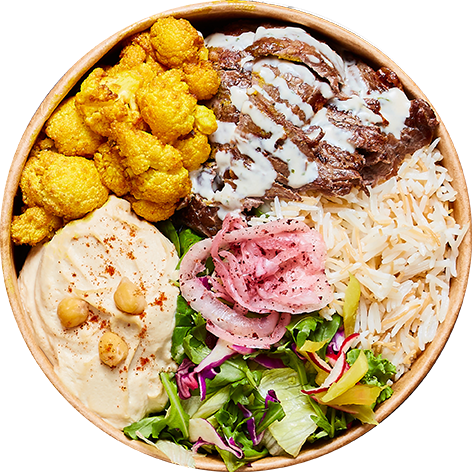
This growth has led to the ‘bowl’ revolution. Learn how to build the perfect Mediterranean bowl to see how Zazu is modernizing these ancient flavors for daily NYC life.
The Next Chapter: The Zazu Standard
While the late 20th century introduced America to Mediterranean flavors, the 2020s have seen a rise in demand for higher culinary integrity and transparency. At Zazu, we are leading the next wave of this evolution. We don’t just follow the trend; we set the Zazu Standard by ensuring our menu is 100% Halal and Clean. By removing industrial seed oils, artificial preservatives, and high-fructose corn syrup, we’ve taken the traditional history of shawarma and adapted it for the modern, health-conscious NYC diner.
What Makes Mediterranean Cuisine Unique?
Mediterranean cuisine, also known as the “food of the sun,” has gained popularity worldwide in recent years—and for good reason. This diverse and flavorful cuisine is characterized by its fresh ingredients, bold flavors, and healthy cooking methods. But what exactly makes Mediterranean cuisine unique? This section will explore some key elements that set this cuisine apart.
Firstly, the Mediterranean region’s geographical location plays a significant role in shaping its culinary traditions. The area spans 20 countries, including Spain, Italy, Greece, Turkey, Israel, Lebanon, and Morocco, each with a distinct culture and history. This diversity is reflected in the wide range of ingredients used in Mediterranean dishes – from fresh seafood to aromatic spices to olive oil. These ingredients are readily available due to the region’s mild climate and fertile land.

Moreover, one can’t talk about Mediterranean cuisine without mentioning its emphasis on freshness. In traditional Mediterranean cooking, meals are made with locally sourced seasonal produce bursting with flavor. It’s common to find fruits and vegetables picked straight from a backyard garden or fish caught from nearby waters on restaurant menus. This commitment to using fresh ingredients enhances the taste and ensures dishes are packed with essential nutrients.
Another defining aspect of Mediterranean cuisine is its focus on simplicity. Unlike other cuisines that rely heavily on elaborate techniques and rich sauces for flavoring, Mediterranean dishes use simple cooking methods, such as grilling or roasting, and herbs and spices for seasoning. It allows the natural flavors to shine through rather than masking them with heavy sauces or oils.
The health benefits of a Mediterranean diet have also contributed to its growing popularity worldwide. With an emphasis on fresh produce, lean proteins like fish and poultry, whole grains, legumes, and healthy fats such as olive oil, it’s no surprise that this eating style has been linked to lower rates of heart disease, diabetes, and even certain cancers.
The unique combination of fresh ingredients, simple cooking methods, and an emphasis on health makes Mediterranean cuisine a standout among culinary traditions. Its popularity and appeal are expected to grow as more people discover this vibrant cuisine’s delicious flavors and benefits.
The Rise of Mediterranean Restaurants Across America
The Mediterranean diet has gained widespread recognition for its health benefits and delicious flavors. As a result, it’s no surprise that Mediterranean restaurants have been popping up all over America in recent years. From bustling cities to small towns, people are flocking to these eateries to experience the vibrant and diverse cuisine of the Mediterranean region.
One of the main reasons for the spread of Mediterranean restaurants in America is the renewed interest in healthy eating over the last decade. With an emphasis on fresh ingredients, lean proteins, and heart-healthy fats, the Mediterranean diet has become famous for those looking to improve their overall well-being. This shift towards healthier lifestyles has increased demand for authentic Mediterranean cuisine, prompting restaurateurs to open more establishments nationwide.
Another factor contributing to the growth of Mediterranean restaurants is Americans’ love for international cuisines. The popularity of Italian, Greek, and Middle Eastern dishes has paved the way for other lesser-known Mediterranean cuisines, such as Turkish, Lebanese, Israeli, and Moroccan, to gain recognition. People are becoming more adventurous with their palates and are eager to try new flavors from different cultures.
Moreover, globalization has made it easier to access imported ingredients from the Mediterranean region. This allows restaurant owners to create truly authentic dishes without compromising quality or flavor. In addition, many chefs who have trained in these countries bring their expertise back home and open their restaurants, serving traditional recipes passed down through generations.
Social media has also played a significant role in promoting these restaurants across America. Platforms like Instagram and Facebook allow restaurant owners to showcase their mouth-watering dishes and create buzz around their establishments. This exposure attracts local customers and encourages tourists visiting different cities in America to seek out these unique dining experiences.
Furthermore, as consumers become more conscious about where their food comes from, there has been a rise in farm-to-table practices within many Mediterranean restaurants. This approach emphasizes the use of locally sourced and seasonal ingredients, making the dining experience both delicious and sustainable.
The spread of Mediterranean restaurants across America can be attributed to the growing interest in healthy eating, the increasing popularity of international cuisines, access to imported ingredients, social media influence, and farm-to-table practices. As these restaurants continue to gain popularity and evolve with contemporary food trends, it’s safe to say that Mediterranean cuisine has firmly established its place in the American culinary landscape.
- Major Chains vs. Independent Eateries
In recent years, the popularity of Mediterranean cuisine has soared in America. From small family-owned eateries to major chain restaurants, the demand for dishes from countries such as Greece, Italy, Israel, and Turkey has skyrocketed. However, with this increase in popularity comes the question of whether major chains or independent eateries are leading the charge.
One could argue that major chains have significantly introduced Mediterranean cuisine to a broader audience. With their extensive marketing campaigns and presence in multiple locations, these chains have made it more accessible for consumers to try dishes they may not have been familiar with before. Additionally, their ability to standardize recipes and maintain consistency across all locations can appeal to customers who want a familiar dining experience.
On the other hand, independent eateries offer a more authentic and personalized approach to Mediterranean cuisine. These smaller establishments often specialize in specific regional dishes and stay true to traditional cooking methods passed down through generations. This attention to detail and commitment to authenticity can create a unique dining experience for customers looking for an immersive cultural experience.
Another aspect that sets independent eateries apart is their focus on fresh, locally sourced ingredients. In contrast, many major chains often rely on mass-produced products that may lack the same quality or flavor as those used by smaller establishments. This emphasis on quality over quantity can help independent eateries stand out for their taste and overall dining experience.
Regarding pricing, there is no clear winner between major chains and independent eateries. While major chains may offer competitive prices due to their bulk purchasing power, independent eateries may have higher prices due to their use of premium ingredients or smaller profit margins. It ultimately depends on the individual establishment’s business model and target market.
Both major chains and independent eateries play essential roles in the rise of Mediterranean cuisine in America. Major chains have helped introduce these dishes on a larger scale while providing convenience for customers seeking a quick and familiar dining experience. On the other hand, independent eateries offer a more authentic and personalized approach to Mediterranean cuisine, making them stand out to customers seeking an immersive cultural experience. Ultimately, both options have their merits, and it’s up to individual preferences to determine which one reigns supreme in Mediterranean cuisine.
- Impact on American Life
Aside from the already-discussed health benefits and simplicity of Mediterranean cuisine, another aspect is its vibrant, bold flavors. Herbs and spices such as oregano, thyme, garlic, cumin, and saffron add depth to dishes and create a unique sensory experience for diners. This explosion of flavors has made Mediterranean dishes a favorite among Americans who are always looking for new and exciting tastes.
Along with its health benefits and flavorful profile, another crucial factor in the rise of Mediterranean cuisine is its versatility. It offers options for people with various dietary restrictions, such as vegetarians and those following gluten-free diets. With dishes like falafel wraps or vegetable tagines readily available in most restaurants, people following these diets no longer feel limited when dining out.
The popularity of Mediterranean cuisine is also evident in its integration into mainstream American food culture. Many classic American dishes now have a touch of Mediterranean influence—think olive already-discussed health benefits and simplicity of Mediterranean cuisine, another aspect is its vibrant,
Moreover, the growth in demand for authentic Middle Eastern/Mediterranean ingredients such as tahini paste or sumac spice has increased their availability across supermarkets nationwide. This has made it easier for people to recreate Mediterranean dishes at home and promotes cultural exchange and appreciation.
The rise of Mediterranean cuisine in America has profoundly impacted American food culture, bringing health consciousness, bold flavors, versatility, and accessibility, and promoting cultural diversity. It is safe to say that Mediterranean cuisine has found a permanent place on American plates and is here to stay.
View the Zazu Mediterranean Restaurant Menu
The Culinary Evolution of Mediterranean Cuisine in the U.S.A. FAQS
- When did Mediterranean food become popular in the U.S.? While Greek and Italian immigrants introduced these flavors in the early 20th century, the massive surge in popularity occurred in the 1970s and 1980s as Americans became more health-conscious and sought alternatives to traditional fast food.
- What is the “Zazu Standard” in Mediterranean cuisine? The Zazu Standard is a modern evolution of Mediterranean street food that prioritizes 100% Halal-certified meats and “Clean” ingredients, meaning they are free from industrial seed oils, artificial preservatives, and high-fructose corn syrup.
- Why is the Mediterranean diet considered a global phenomenon? Its global rise is due to the perfect balance of bold, diverse flavors and scientifically backed health benefits, such as improved heart health and longevity, making it a staple for both foodies and wellness seekers.